Blog

  • The AI-Powered Advisory Practice: Opportunity or Threat?

    The AI-Powered Advisory Practice: Opportunity or Threat?

    The financial advisory world is buzzing with AI anxiety. ChatGPT can draft investment summaries in seconds. Robo-advisors are managing billions in assets. AI tools are analyzing portfolios, generating client reports, and even conducting preliminary risk assessments.

    If you’re a financial advisor watching this unfold, you’re probably asking the same question thousands of your peers are wrestling with: Is AI going to replace me, or can I use it to become more successful?

    Here’s the uncomfortable truth: AI isn’t coming for financial advisors—it’s already here. The question isn’t whether AI will impact your practice. The question is whether you’ll harness it as a competitive advantage or let it make you obsolete.

    The AI Reality Check: What’s Actually Happening

    Let’s cut through the hype and look at what AI is really doing in financial advisory practices right now.

    What AI Can Do (And Is Already Doing)

    Administrative Automation: AI tools are handling appointment scheduling, email responses, and basic client communications. Some advisors are already using AI assistants that can book meetings, send follow-up emails, and even draft initial client onboarding documents.

    Research and Analysis: AI can process market data, analyze portfolio performance, and generate investment research summaries in minutes instead of hours. Tools like Bloomberg Terminal’s AI features and various fintech platforms are making complex analysis accessible to advisors without dedicated research teams.

    Content Generation: AI can help create client newsletters, social media posts, and even basic educational content. Many advisors are using AI to draft initial versions of market commentaries or client updates, then personalizing them with their own insights.

    Compliance Support: AI tools are helping with compliance monitoring, flagging potential issues in communications, and ensuring regulatory adherence across client interactions.

    What AI Can’t Do (Yet)

    Build Genuine Relationships: AI might schedule the meeting, but it can’t sit across from a worried retiree and provide the emotional reassurance they need during market volatility.

    Navigate Complex Family Dynamics: When wealthy families have multi-generational wealth transfer issues, AI can’t read the room or mediate between family members with different priorities.

    Provide Strategic Life Planning: AI can run Monte Carlo simulations, but it can’t help a client navigate the emotional complexity of early retirement, career changes, or family business succession planning.

    Exercise Professional Judgment: AI can flag potential problems, but it can’t make the nuanced decisions that come from years of experience and deep client relationships.

    The Three Types of Advisors in the AI Era

    As AI adoption accelerates, financial advisors are falling into three distinct categories:

    1. The AI Resisters

    These advisors believe that personal relationships and human expertise are enough to protect them from AI disruption. They’re avoiding AI tools entirely, often citing client trust concerns or regulatory uncertainty.

    The Risk: While they maintain their current client base, they’re becoming less efficient and more expensive to work with compared to AI-enhanced competitors. They’re also missing opportunities to serve more clients better.

    2. The AI Adopters

    These advisors are experimenting with AI tools to improve efficiency and service delivery. They use AI for research, content creation, and administrative tasks while maintaining the human touch in client relationships.

    The Opportunity: They’re becoming more productive, can serve more clients effectively, and are freeing up time to focus on high-value activities like relationship building and strategic planning.

    3. The AI Innovators

    These advisors are building AI-powered systems that enhance every aspect of their practice. They’re using AI not just for efficiency, but as a competitive differentiator that allows them to provide better service and attract more clients.

    The Advantage: They’re positioning themselves as forward-thinking advisors who leverage technology to deliver superior outcomes. This positioning attracts tech-savvy clients and creates significant operational advantages.

    How to Harness AI Without Losing Your Human Edge

    The key to thriving in the AI era isn’t to resist technology—it’s to use it strategically while doubling down on what makes you uniquely valuable as a human advisor.

    1. Use AI to Amplify Your Expertise, Not Replace It

    Smart Application: Use AI to generate first drafts of market commentary, then add your personal insights and client-specific observations.

    Example: An AI tool might analyze market data and identify that tech stocks are volatile. You add context about how this affects your specific clients’ portfolios and what strategic adjustments you’re recommending based on their individual situations.

    2. Automate the Routine, Personalize the Important

    Smart Application: Let AI handle appointment scheduling, basic compliance checks, and initial research. Use the time you save to have deeper conversations with clients about their goals, fears, and dreams.

    Example: AI schedules a client’s quarterly review and generates a preliminary portfolio analysis. You use that foundation to have a strategic conversation about their upcoming retirement or their children’s education funding.

    3. Leverage AI for Better Client Communication

    Smart Application: Use AI to help you communicate more effectively with different types of clients. AI can help you tailor your language, timing, and communication style to match client preferences.

    Example: AI analysis shows that one client prefers detailed written reports while another responds better to visual summaries. You use this insight to customize your communication approach for each client.

    4. Position AI as a Client Benefit

    Smart Application: Don’t hide your AI usage—make it a selling point. Explain how AI tools help you provide more thorough analysis, faster responses, and more comprehensive service.

    Example: “I use advanced AI analysis tools to monitor your portfolio 24/7 and identify opportunities or risks that might affect your financial plan. This technology allows me to provide you with more timely and comprehensive insights.”

    The AI-Enhanced Marketing Advantage

    Here’s where AI becomes particularly powerful for growing your practice: marketing and client acquisition.

    Content Creation at Scale

    AI can help you create more content, more consistently, across multiple channels. This doesn’t mean generic, robotic content—it means using AI to help you share your expertise more effectively.

    Practical Application: Use AI to create initial drafts of blog posts, social media content, and client newsletters. Then add your personal insights, local examples, and specific recommendations to make the content uniquely valuable.

    Personalized Client Outreach

    AI can help you personalize your marketing messages based on prospect behavior, interests, and needs. This allows you to have more relevant conversations with potential clients.

    Practical Application: AI tools can analyze website visitors and suggest personalized follow-up content based on what pages they viewed and how long they spent on your site.

    Improved Lead Qualification

    AI can help you identify which prospects are most likely to become good clients, allowing you to focus your time on the highest-value opportunities.

    Practical Application: AI analysis of prospect interactions can score leads based on their likelihood to convert, helping you prioritize your outreach efforts.

    The Compliance and Trust Factor

    One concern many advisors have is whether using AI will create compliance issues or erode client trust. Here’s how to navigate these challenges:

    Transparency Is Key

    Be open about your AI usage, but frame it as a benefit to clients. Explain how AI tools help you provide better service, not replace your judgment.

    Maintain Human Oversight

    Use AI as a tool, not a decision-maker. Always review AI-generated content and recommendations before sharing them with clients.

    Document Everything

    Keep records of how you use AI tools and ensure your compliance procedures cover AI-assisted work.

    The Implementation Challenge

    Understanding the potential of AI is one thing. Actually implementing it effectively while running a busy advisory practice is another.

    Most advisors face several obstacles:

    Time Constraints: Learning new AI tools and integrating them into existing workflows takes time that most advisors don’t have.

    Technology Complexity: Many AI tools require technical setup and ongoing management that goes beyond most advisors’ expertise.

    Integration Challenges: Making AI tools work seamlessly with existing CRM systems, compliance procedures, and client communication workflows can be complex.

    Strategic Implementation: Knowing which AI tools to use, how to use them effectively, and how to measure their impact requires specialized knowledge.

    This is exactly why successful advisors work with marketing partners who understand both AI technology and the financial advisory industry.

    The Future-Ready Advisory Practice

    The advisors who will thrive in the AI era are those who embrace technology while becoming more human, not less.

    They use AI to handle routine tasks so they can spend more time on strategic thinking, relationship building, and complex problem-solving. They leverage AI-powered marketing tools to attract more qualified prospects while delivering personalized, high-touch service that technology can’t replicate.

    Most importantly, they position themselves as forward-thinking advisors who use cutting-edge tools to deliver superior outcomes for their clients.

    The Bottom Line

    AI isn’t a threat to financial advisors—it’s the most powerful tool you’ve ever had access to for growing your practice and serving your clients better.

    The question isn’t whether to embrace AI. The question is whether you’ll use it strategically to become more successful, or whether you’ll let competitors who embrace AI leave you behind.

    The advisors who succeed in the AI era won’t be those who resist technology. They’ll be those who harness it to become more efficient, more effective, and more valuable to their clients.

    Ready to Harness AI for Your Practice?

    While AI offers tremendous opportunities for financial advisors, implementing it effectively requires strategic planning and specialized expertise. Many advisors find that they need guidance to identify the right AI tools, integrate them effectively, and use them to enhance their marketing and client service efforts.

    If you’re ready to explore how AI can transform your advisory practice—from marketing automation to client communication enhancement—we’d love to show you how we’ve helped other advisors leverage technology to grow their practices while maintaining the personal touch that clients value.

    Want to see how we’ve helped advisors implement AI-powered marketing systems that generate more qualified prospects? Watch our case studies to see real results from advisors who’ve embraced technology to scale their practices.


  • The Ultimate Guide to Financial Advisor Marketing

    The Ultimate Guide to Financial Advisor Marketing

    You’ve built a successful financial advisory practice. Your clients trust you, your investment strategies are sound, and your compliance is airtight. But here’s the uncomfortable truth: most financial advisors have no defined marketing strategy.

    That’s not just a missed opportunity—it’s a crisis that’s costing you significant potential growth.

    The reality is that while you’re excellent at providing financial services, you were never trained to market them. You can’t just “build it and hope they come.” In today’s digital-first world, you need a systematic approach to attract qualified prospects and convert them into high-value clients.

    Let’s dive into why this matters and how to fix it.

    Why Financial Advisors Are Failing at Marketing (And What to Do About It)

    The Core Problem: You’re a Business Owner, Not Just an Advisor

    Here’s the hard truth: if you run your own practice, you’re a business owner first, financial advisor second. That means marketing isn’t optional—it’s essential for survival and growth.

    Successful advisors understand this. When they gain additional capital from business growth, they reinvest that capital into marketing efforts. They recognize that marketing isn’t just about attracting clients—it’s about building a valuable, scalable business.

    The 5 Marketing Challenges That Are Holding You Back

    1. “Marketing Feels Like a Waste of Time”

    The Problem: You became a financial advisor because you love helping people with their money, not because you love marketing. When you try to market, it feels forced, uncomfortable, and like you’re wasting time that could be spent serving existing clients.

    The Solution: Stop trying to be a marketer. Instead, focus on being an educator. Your marketing should feel like natural extensions of the valuable advice you already give clients. Create content that answers the questions your prospects are already asking.

    2. “I Don’t Know Where to Start”

    The Problem: You know you want to grow your practice, but translating that goal into specific marketing actions feels overwhelming. Should you start a podcast? Write blogs? Run social media ads? The options are endless, and analysis paralysis sets in.

    The Solution: Start with a simple, measurable goal. Instead of “grow my practice,” try “generate 5 qualified appointments per month from digital marketing.” Then work backward to identify the specific actions needed to achieve that goal.

    3. “I’m Too Busy Serving Clients”

    The Problem: Your calendar is packed with client meetings, portfolio reviews, and compliance work. Adding marketing to your plate feels impossible without neglecting your existing clients.

    The Solution: This is exactly why successful advisors work with specialized marketing partners. You don’t need to become a marketing expert—you need to work with marketing experts who understand the financial advisory industry.

    4. “I Don’t Have the Right Tools”

    The Problem: You’re trying to market with basic tools (maybe a simple website and occasional social media posts) while your competitors are using sophisticated systems and platforms.

    The Solution: Invest in the right marketing infrastructure. This includes a professional website, email marketing platform, CRM system, and content creation tools. The upfront investment pays for itself in new client acquisition.

    5. “I’m Not Sure What’s Working”

    The Problem: You’re doing marketing activities, but you have no idea if they’re actually generating results. You’re flying blind without proper tracking and measurement.

    The Solution: Set up clear metrics and tracking systems. Measure everything: website traffic, email open rates, content engagement, lead generation, and conversion rates. Data-driven decisions beat gut feelings every time.

    The Digital Marketing Framework That Actually Works for Advisors

    Start With Your Foundation: Your Website

    Your website is your digital storefront. It’s often the first impression prospects have of your practice. Here’s what most advisors get wrong:

    • Poor Design: Most website visitors won’t recommend a business with a poorly designed website
    • No Clear Value Proposition: Visitors can’t quickly understand what makes you different
    • Missing Lead Capture: No way to collect contact information from interested prospects
    • Poor Mobile Experience: A significant portion of web traffic comes from mobile devices

    The Fix: Your website should clearly communicate your unique value proposition, showcase your expertise through educational content, and include multiple ways for prospects to engage with you.

    Content Marketing: Your Secret Weapon

    Content marketing is perfect for financial advisors because you have valuable knowledge that prospects desperately need. Here’s how to do it right:

    Educational Blog Posts: Write about topics your ideal clients are researching:

    • “5 Tax Strategies for High-Net-Worth Retirees”
    • “How to Protect Your Wealth During Market Volatility”
    • “Estate Planning Mistakes That Could Cost Your Family Millions”

    Premium Content: Create downloadable resources that demonstrate your expertise:

    • Retirement planning guides
    • Tax optimization checklists
    • Investment strategy whitepapers

    Video Content: Record short educational videos on topics like:

    • Market updates and analysis
    • Financial planning tips
    • Client success stories (with permission)

    Email Marketing: The Highest ROI Marketing Channel

    Email marketing generates significant returns for every dollar spent. For financial advisors, it’s particularly powerful because:

    • You can nurture prospects over time
    • You can segment your audience by needs and interests
    • You can automate follow-up sequences
    • You can share valuable content and insights

    Key Strategy: Create an email sequence that educates prospects about your services while building trust and credibility. Focus on providing value first, selling second.

    Social Media: Building Your Authority

    Social media isn’t about selling—it’s about building relationships and establishing authority. Focus on platforms where your ideal clients spend time:

    • LinkedIn: Perfect for B2B networking and thought leadership
    • Facebook: Great for community building and educational content
    • YouTube: Excellent for longer-form educational videos
    • Instagram: Good for behind-the-scenes content and personal branding

    The Marketing Budget Reality Check

    Here’s what you need to know about marketing budgets:

    • Independent advisors typically spend 2-4% of their budget on marketing
    • Financial advisory firms often spend 8-10% of revenue on marketing
    • Successful firms invest more: They understand that effective marketing generates significant returns
    • ROI-focused spending: Every dollar spent on effective marketing generates multiple dollars in new business

    The Bottom Line: Successful advisors invest significantly in marketing because they understand the ROI. Every dollar spent on effective marketing generates multiple dollars in new client acquisition.

    12 Proven Marketing Tactics for Financial Advisors

    1. Create Educational Courses – Develop online courses on financial topics
    2. Publish Engaging Blog Content – Regular, valuable content that ranks in search
    3. Create Informative Infographics – Visual content that’s easy to share
    4. Be a Podcast Guest Speaker – Reach new audiences through existing platforms
    5. Launch Paid Social Media Campaigns – Target specific demographics
    6. Provide Complimentary Financial Workshops – In-person or virtual events
    7. Produce Video Explainers – Short, educational videos
    8. Collaborate with Local Businesses – Cross-referral partnerships
    9. Send Personalized Newsletters – Regular communication with prospects
    10. Organize Virtual Networking Events – Build relationships online
    11. Utilize LinkedIn for Thought Leadership – Share insights and build authority
    12. Provide Personalized Financial Assessments – Free value-add services

    The Implementation Challenge

    Here’s the reality: while these strategies are effective, most advisors struggle with implementation. Why?

    • Time Constraints: Marketing requires consistent effort over time
    • Expertise Gaps: Digital marketing requires specialized knowledge
    • Resource Limitations: Effective marketing requires tools, platforms, and content
    • Measurement Complexity: Tracking ROI and optimizing campaigns takes expertise

    This is exactly why successful advisors work with specialized marketing partners who understand the financial advisory industry.

    Building Your Marketing System

    The key to sustainable growth isn’t just implementing individual tactics—it’s building a comprehensive marketing system that works together. This includes:

    Strategic Positioning: Clearly defining what makes you different and who your ideal clients are
    Trust Asset Development: Creating educational content that builds credibility before sales conversations
    Targeted Traffic Generation: Using paid and organic methods to attract qualified prospects
    Conversion Infrastructure: Optimizing your follow-up process and appointment booking systems

    The Path Forward

    The question isn’t whether you need marketing—it’s whether you can afford to keep doing it wrong. Every month without an effective marketing strategy is another month of missed opportunities and potential clients going to your competitors.

    The advisors who succeed in today’s competitive landscape aren’t the ones with the best investment strategies—they’re the ones with the best marketing strategies. Which category do you want to be in?

    Ready to Scale Your Professional Service Business?

    Whether you’re a financial advisor, tax professional, lawyer, or other professional service provider, the principles of effective marketing remain the same. The challenge is implementing them consistently while running your practice.

    If you’re ready to implement a proven digital marketing system that generates qualified appointments and scales your professional service business, we’d love to show you how our Digital Wealth Prospecting™ System works.

    Want to learn how we’ve helped advisors scale their practices? Watch our case studies to see real results from real advisors.

    The advisors who succeed in today’s competitive landscape aren’t the ones with the best investment strategies—they’re the ones with the best marketing strategies. Which category do you want to be in?


    Ready to scale your professional service business without the trial and error? Let’s talk about how our Digital Wealth Prospecting™ System can transform your marketing and generate the qualified leads you need to grow your practice.

  • Why Local SEO is More Important in the AI Era

    Why Local SEO is More Important in the AI Era

    The digital marketing landscape is shifting beneath our feet. With AI tools like ChatGPT, Perplexity, and Google’s Search Generative Experience (SGE) reshaping how people access information, many financial advisors are facing a frustrating reality: their carefully crafted content is getting buried under AI-generated responses and featured snippets.

    But here’s what most advisors miss: while the broader SEO landscape is becoming more competitive, local SEO has quietly become one of the most practical, high-ROI marketing strategies available—especially for independent advisors looking to grow their practice.

    The Search Behavior Shift That’s Changing Everything

    Let’s start with the uncomfortable truth: organic search traffic is declining across the board. More than half of Google searches now end without a single click. Google itself answers many queries directly in featured snippets, knowledge panels, and AI summaries—leaving less room for your website to be seen, let alone visited.

    At the same time, financial advisors continue to pump out blog posts, hoping one of them will rank. But in this saturated content environment, writing yet another article on “how a Roth IRA works” just won’t cut it anymore.

    This is where local SEO stands out—because when someone searches “financial advisor near me” or “retirement planner in [your city],” Google still sends them somewhere. And if you’ve positioned your firm correctly, that somewhere can be you.

    Why Local SEO Still Wins in the AI Era

    1. People Still Search Locally (And Always Will)

    Search engines remain the primary tool for finding service providers in specific locations. Someone typing “retirement planner in Scottsdale” or “wealth manager Chicago” is actively looking for help—not just information.

    These are high-intent, ready-to-talk leads. AI can answer general finance questions, but it can’t replace the need for a trusted local advisor who understands the specific challenges and opportunities in their community.

    2. Trust Is Built Locally

    Clients want to know who they’re working with. A local presence—real or perceived—builds confidence faster than any national brand. Your Google Business Profile, positive reviews, local photos, and address signal credibility far more effectively than a generic website with no personal touch.

    3. Less Competition, More Conversions

    Trying to rank for “financial advisor” nationwide pits you against the biggest firms and finance publications. But ranking for “tax advisor for small business owners in Austin” or “retirement planning for healthcare professionals in Denver” gives you a smaller, more qualified audience—and a much higher chance of converting visitors into clients.

    Why Even National Firms Should Think Local

    Here’s the key insight: even if you serve clients across multiple states, thinking local unlocks visibility you wouldn’t get otherwise.

    You Don’t Need a Physical Office

    With remote work and virtual meetings normalized, you can serve clients anywhere. What you do need is a local landing page that speaks directly to your target audience in that city or region. That content alone can rank well for local searches and build relevance over time.

    The Authority Building Effect

    Local SEO doesn’t just help with local searches—it builds overall domain authority. When you rank well for local terms, it signals to search engines that your site is relevant and trustworthy, which can improve rankings for broader terms as well.

    The Local SEO Blueprint for Financial Advisors

    Here’s how to set yourself up to win locally:

    1. Optimize Your Google Business Profile

    This is your digital storefront. Claim your profile, fill it out completely, and update it regularly. Add high-quality images, list your services, and answer common questions. Post regularly like you would on social media—it sends freshness signals to Google and keeps your profile active.

    2. Build Location-Specific Landing Pages

    Create individual landing pages for the cities or regions you want to target. Each page should include:

    • City-specific language and local references
    • Local testimonials or case studies when possible
    • A strong, relevant call-to-action
    • Embedded map or directions (if you have an office)
    • Local business schema markup

    3. Develop a Review Strategy

    Ask satisfied clients to leave reviews on Google. Don’t overthink it—just make it part of your offboarding or check-in process. Consistent reviews improve rankings and increase trust. Consider creating a simple system to request reviews after successful client meetings or milestone achievements.

    4. Earn Local Mentions and Backlinks

    Get listed in local directories, sponsor a community event, appear on a city-based podcast, or write a guest article for a local publication. These backlinks and brand mentions help build authority—both for search engines and for AI models that scrape the web for information.

    5. Use Structured Data

    Make your site machine-readable. Add LocalBusiness schema, include your contact info clearly, and format pages so Google and AI tools can easily pull and understand your information. This technical optimization often gets overlooked but can significantly improve your visibility.

    The Hidden Advantage: AI-Proof Marketing

    Here’s what makes local SEO particularly valuable in the AI era: while AI can generate generic content about financial topics, it can’t replicate the authentic local presence and community connections that drive local search success.

    Your local reviews, community involvement, and location-specific content create a moat that AI-generated content simply can’t cross.

    Making It Work for Your Practice

    The beauty of local SEO is that it scales with your business. Start with your primary market, then expand to additional cities or regions as you grow. Each new location page becomes a new opportunity to rank and attract qualified prospects.

    But here’s the reality: while the strategy is straightforward, the implementation requires consistent effort and specialized knowledge. Most advisors don’t have the time or expertise to optimize their local presence effectively.

    The Bottom Line

    AI may be changing how people search, but local search is still deeply human. People want trusted, nearby professionals—especially when it comes to their finances.

    Instead of chasing SEO trends or competing with AI-generated content, own your local presence. It’s the most overlooked and effective way to get seen by the right clients—whether you work in one zip code or across the entire country.

    If you’re a financial advisor looking to grow in today’s crowded market, local SEO isn’t old-school—it’s your smartest edge.

    Ready to Optimize Your Local Presence?

    While local SEO is conceptually simple, effective implementation requires strategic planning and consistent execution. Many advisors find that they need specialized help to build and maintain a strong local presence while focusing on serving their clients.

    If you’re ready to implement a proven local SEO strategy that can help you attract more qualified prospects in your target markets, we’d love to show you how we’ve helped other advisors build their local authority and grow their practices.

    Want to learn how we’ve helped advisors scale their practices through strategic local marketing? Watch our case studies to see real results from advisors who’ve implemented these strategies.

  • Why Social Media Advertising is Essential for Financial Advisors

    Why Social Media Advertising is Essential for Financial Advisors

    In today’s digital landscape, traditional marketing alone no longer meets the demands of growing a financial advisory practice. Social media advertising offers financial advisors unparalleled opportunities to connect with potential clients, establish trust, and expand their brand presence. Here’s why leveraging social media advertising is essential for financial advisors aiming to thrive in a competitive market.

    Reaching the Right Audience

    Social media platforms like LinkedIn, Facebook, and Instagram provide powerful targeting tools. Advisors can tailor campaigns to specific demographics, interests, or behaviors, ensuring they reach the ideal audience—whether it’s young professionals building wealth or retirees seeking financial security.

    Cost-Efficient Marketing

    Compared to traditional advertising, social media offers better control over spending and delivers measurable ROI. With flexible pricing models like pay-per-click (PPC) or cost-per-thousand-impressions (CPM), advisors can run campaigns that fit any budget while generating quality leads.

    Establishing Authority and Trust

    Promoting educational content like blogs, webinars, or eBooks through social media ads helps position financial advisors as trusted experts. Sharing valuable insights consistently builds credibility, making prospects more likely to choose your services when they need financial guidance.

    Boosting Engagement and Conversions

    Social media is an interactive medium where two-way conversations can happen in real time. Financial advisors can use ads to spark discussions, answer client questions, or drive prospects toward consultations. An engaging ad with a strong call-to-action (CTA) can convert passive viewers into active clients.

    Meeting Evolving Client Expectations

    Modern clients expect advisors to embrace technology and communicate on platforms they use daily. Social media advertising showcases a forward-thinking approach, helping financial advisors connect with a tech-savvy audience and present their brand in a relatable way.

    Data-Driven Campaigns

    Social media platforms provide robust analytics, enabling advisors to measure ad performance, refine strategies, and optimize their budgets. Tracking metrics like click-through rates and conversions ensures that marketing decisions are backed by data, maximizing efficiency.

    Standing Out in a Competitive Market

    As more advisors utilize social media, staying active in this space becomes vital to maintaining visibility. Effective social media advertising ensures your brand doesn’t get lost in the crowd, giving you a competitive edge in attracting and retaining clients.

    Conclusion

    Social media advertising isn’t just another marketing tool—it’s a strategic investment in building connections, showcasing expertise, and growing your practice. By embracing its potential, financial advisors can remain relevant, attract new clients, and enhance their reputation in an increasingly digital world.

    Want to elevate your marketing strategy? Amplified Advisors can help you design and implement a social media advertising plan tailored to your practice. Reach out to learn more.

  • What Your Website Says About You as a Financial Advisor

    What Your Website Says About You as a Financial Advisor

    Your website is more than a tool—it’s your first impression. For financial advisors, a professional website signals authority, trustworthiness, and expertise. What does your website say about you? Let’s explore key elements that shape your online presence.

    First Impressions Are Everything

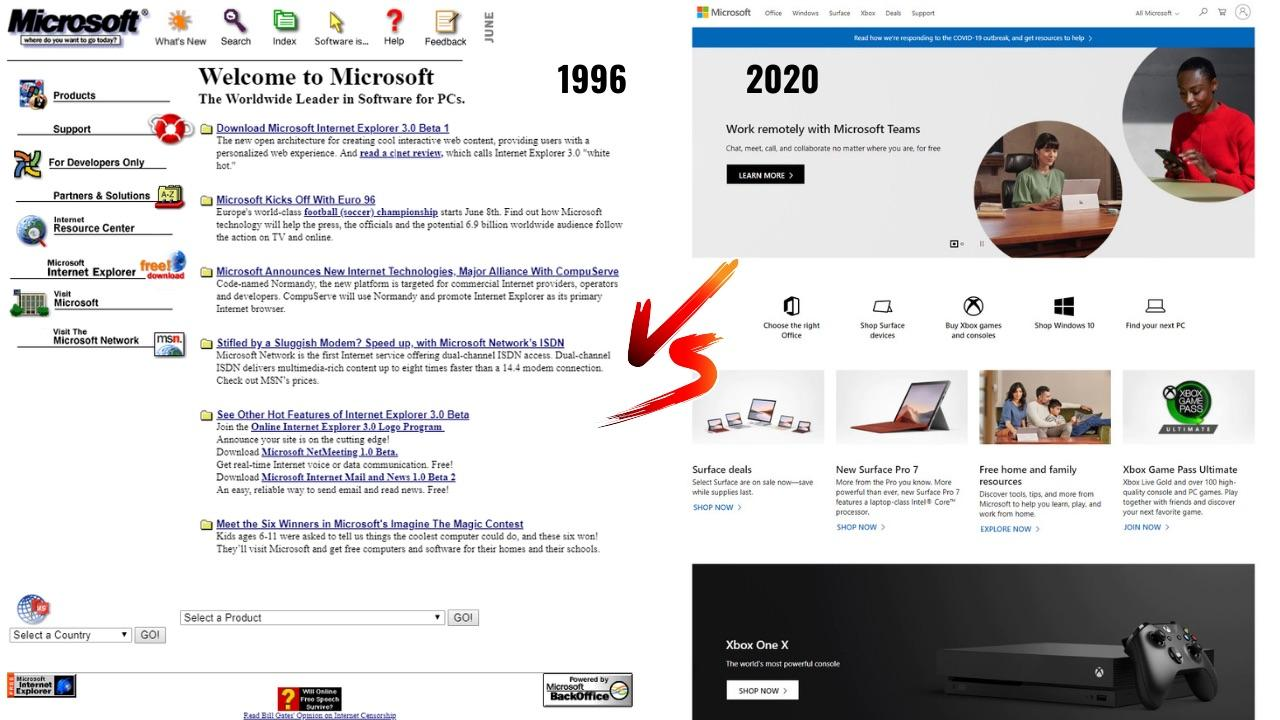
    The moment someone lands on your website, they form an opinion about your business. A clean, modern design reflects professionalism and a forward-thinking approach. Outdated layouts or clunky navigation, on the other hand, can leave visitors questioning your attention to detail.

    Showcase Your Expertise

    Your website is a platform to demonstrate your knowledge. Include blog posts, case studies, and resources that address clients’ financial concerns. This positions you as a trusted advisor and industry expert.

    Build Trust with Social Proof

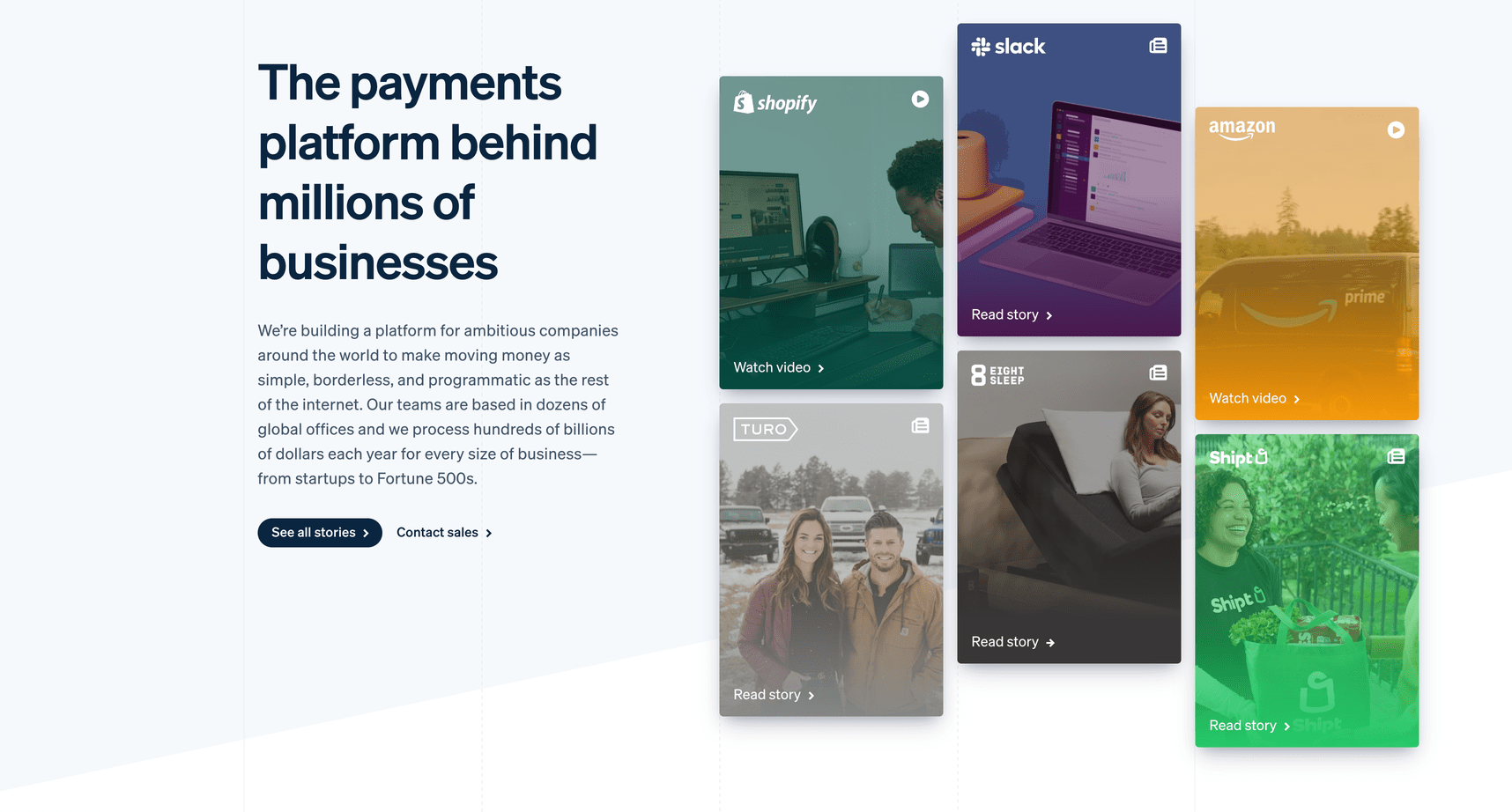
    Potential clients want to know they’re in good hands. Display testimonials, reviews, and client success stories prominently to reassure visitors that you’ve successfully helped others. Here is an example from Stripe, a company renown for setting the standard for websites in the tech space.

    Clear Calls-to-Action Drive Engagement

    Visitors should never wonder what to do next. Whether it’s scheduling a consultation or signing up for updates, ensure calls-to-action are clear, compelling, and visually prominent.

    First-Class Navigation Reflects Professionalism

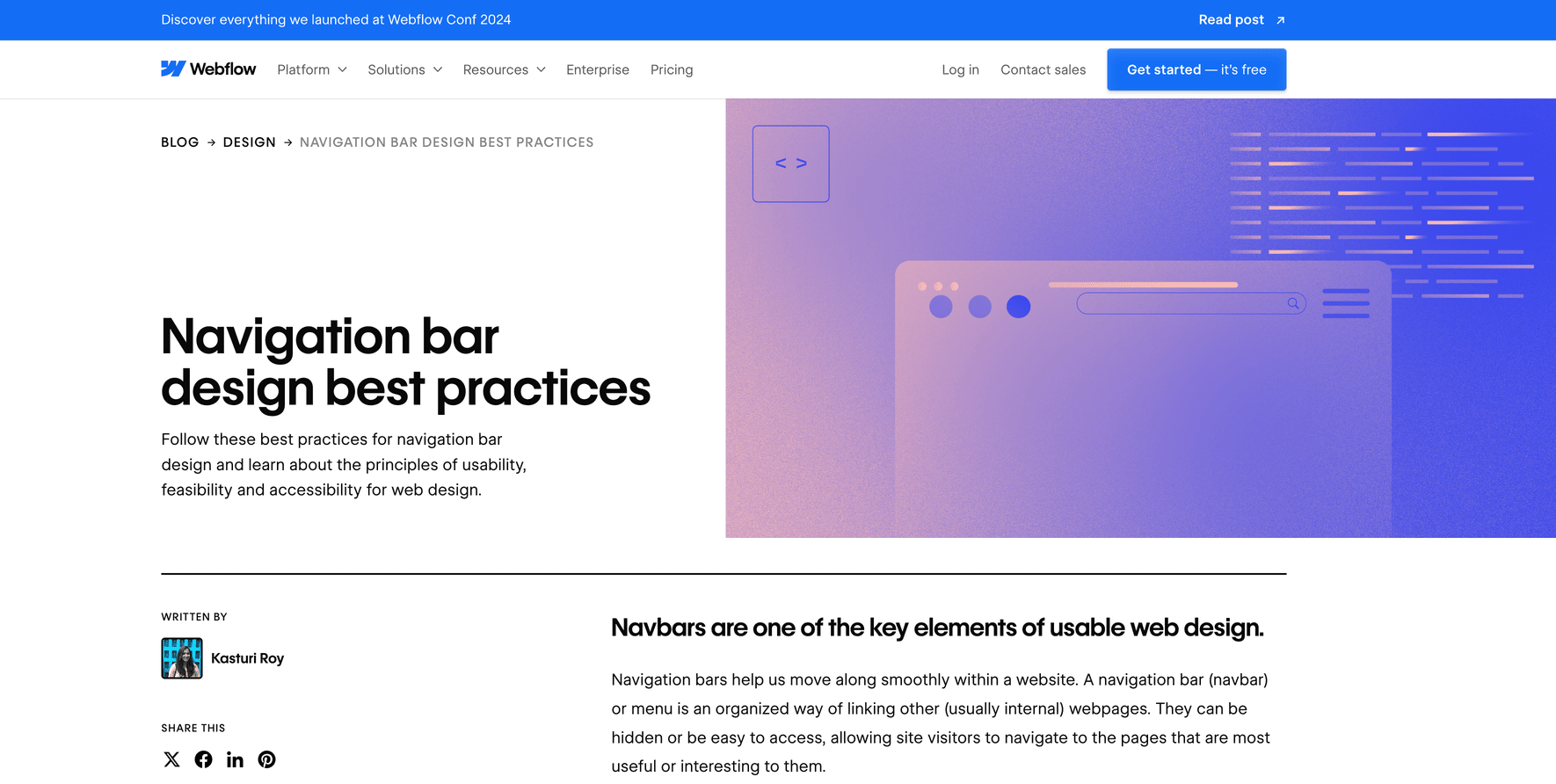
    A well-organized website signals that you value your clients’ time. Thoughtful navigation with labeled pages—like “About Us,” “Our Services,” and “Contact”—helps clients quickly find what they need.

    Professional Design Solidifies Authority

    Design choices such as cohesive colors, polished fonts, and high-quality images convey reliability. Your website’s attention to detail reflects the level of care clients can expect from your financial advising services.

    Your Website Is Your Digital Business Card

    Think of your website as your business card in the digital age. It should clearly convey your expertise, values, and professionalism. An outdated or unpolished site can make you seem out of touch in today’s competitive market.


    Conclusion: Let Your Website Speak for You

    Your website shapes how clients perceive you before they meet you. A well-crafted site communicates confidence, trust, and authority. Ready to elevate your online presence? Let Amplified Advisors help you build a site that sets you apart.

  • Why Online Advertising is Crucial for Financial Advisors

    Why Online Advertising is Crucial for Financial Advisors

    Why Online Advertising is Crucial for Financial Advisors

    In today’s digital-first world, financial advisors must embrace innovative strategies to thrive in a competitive landscape. Among these strategies, online advertising stands out as a game-changer. With the ability to precisely target high-net-worth individuals, measure ROI in real-time, and create personalized marketing campaigns, online advertising is no longer optional—it’s essential.

    Here’s why leveraging online advertising can significantly impact the success of your financial advisory practice.

    1. Target High-Value Clients with Precision

    Traditional advertising methods, like print ads or billboards, cast a wide net hoping to capture attention. Online advertising allows financial advisors to pinpoint their ideal audience—whether it’s individuals nearing retirement, entrepreneurs seeking wealth management, or high-net-worth families.

    Platforms like Google Ads, LinkedIn and Facebook provide advanced demographic and behavioral targeting tools, enabling you to focus on prospects based on income, interests, or even searches related to financial planning.

    2. Build Trust Through Consistent Visibility

    The financial advisory space thrives on trust. Regularly appearing in front of potential clients through ads fosters familiarity and credibility. Whether it’s a well-timed LinkedIn ad or a Google search result for “best financial advisors near me”, online advertising ensures your practice stays top of mind.

    Consistent visibility across search engines, social media, and display ads reinforces your brand as a trusted authority in wealth management.

    3. Maximize ROI with Measurable Results

    Unlike traditional marketing, online advertising provides real-time data and analytics. This transparency lets financial advisors track campaign performance, adjust strategies, and optimize spending for the best results.

    For instance, if a particular ad resonates with individuals interested in retirement planning, you can allocate more resources to that approach while eliminating less effective campaigns.

    4. Educate Prospects and Convert Leads

    Online ads can do more than attract attention—they can educate. Financial advisors can use advertising to promote valuable content, such as whitepapers, eBooks, or webinars. By offering free resources, you position your firm as an authority in the field and encourage meaningful engagement.

    For example, a simple Facebook ad offering a “Guide to Tax-Efficient Investing” could open the door to valuable client relationships.

    5. Expand Beyond Local Markets

    With online advertising, financial advisors are no longer limited to serving clients in their immediate geographical area. Leveraging virtual meetings and webinars enables you to attract clients nationwide—or even globally.

    A targeted campaign like “virtual financial planning for busy professionals” can help tap into a broader client base, ensuring your practice remains scalable and resilient.

    6. Compete Effectively with Larger Firms

    Online advertising levels the playing field, allowing boutique financial advisory practices to compete with larger firms. Strategic campaigns with focused messaging can attract clients who might otherwise overlook smaller, personalized firms.

    A campaign highlighting “personalized service for high-net-worth individuals” can set your practice apart from the cookie-cutter approaches of larger firms.

    7. Partner with Amplified Advisors for Success

    At Amplified Advisors, we specialize in creating data-driven advertising strategies tailored for financial advisors. From crafting targeted campaigns to tracking measurable outcomes, we ensure your firm attracts high-quality leads and achieves sustainable growth.

    By partnering with Amplified Advisors, you gain access to tools and strategies that not only increase visibility but also drive meaningful client engagements. Our expertise is designed to help you amplify your reach and grow your practice.

    Take the Next Step

    Online advertising offers financial advisors an unparalleled opportunity to connect with clients, expand their reach, and grow their practice. With ever-evolving tools and platforms, the time to act is now.

    Let Amplified Advisors guide you through the process. Our proven strategies have helped countless advisors secure more clients and grow their AUM.

  • A Guide to Advertising for Financial Advisors

    A Guide to Advertising for Financial Advisors

    Advertising is a crucial component of success for financial advisors in today’s competitive market. Effective campaigns can help you attract new clients, enhance your brand, and ultimately grow your business. In this guide, we’ll explore key strategies to help you make the most of your advertising efforts.

    Why Advertising is Key for Financial Advisors

    In the financial services industry, building trust and credibility is paramount. Advertising allows you to:

    • Reach Your Target Audience: Tailor your message to specific demographics such as high-net-worth individuals or small business owners.
    • Enhance Visibility: Stay top-of-mind with prospective clients through consistent branding.
    • Showcase Expertise: Share valuable insights that position you as a trusted authority in the financial world.

    Effective Advertising Strategies for Financial Advisors

    1. Focus on Digital Marketing

    Leverage online platforms to connect with potential clients. Key tactics include:

    • Search Engine Optimization (SEO): Optimize your website and content to rank higher on search engines.
    • Pay-Per-Click (PPC) Advertising: Invest in targeted ads on platforms like Google Ads to drive traffic.
    • Social Media Advertising: Use LinkedIn or Facebook to reach professional and personal networks.

    2. Use Content Marketing

    Creating valuable, informative content can establish your credibility and attract clients. Consider:

    • Blog Posts: Write articles that answer common financial questions.
    • Videos: Share quick tips on managing finances.
    • Webinars: Host live sessions on financial planning topics.

    3. Leverage Local Advertising

    Targeting your immediate community can lead to strong relationships. Try:

    • Local Sponsorships: Partner with community events or charities.
    • Radio or Newspaper Ads: Reach a local audience effectively.
    • Networking Events: Advertise your presence at local gatherings.

    Measuring Success

    It’s essential to track the effectiveness of your campaigns. Use tools like Google Analytics or social media insights to monitor:

    • Website Traffic: Check for increases after launching a campaign.
    • Lead Generation: Count how many new contacts you’ve gained.
    • Engagement Rates: Review likes, shares, and comments on social platforms.

    Conclusion

    Advertising for financial advisors is about more than just selling services—it’s about building trust, visibility, and authority in your niche. Start implementing these strategies today to enhance your outreach and grow your practice.

    Ready to take your advertising to the next level? Contact us today to discover how we can help you craft compelling campaigns that deliver results.